
The Ghosted Self Reclaiming Identity After Narcissistic Abuse Collapse Using an AI Therapist for Depression Support as Your Reality Anchor
You survived the relationship. You walked away from the gaslighting, the projection, the slow erosion of everything you once knew about yourself. And now, sitting in the quiet aftermath, you expect relief. Instead, you find a hollow ache that mimics depression so perfectly you might mistake it for organic clinical despair. You stare at the ceiling at 3 a.m., unable to trust a single memory. Was it really that bad? Did you overreact? Who even are you without the constant chaos that defined your existence for years?
This is the ghosted self. Not the self ghosted by another person, but the self that has been ghosted by you. The internal voice that once guided decisions, preferences, and instincts has gone silent, replaced by a cacophony of doubt. This psychological fragmentation is called Self Capacitation Erosion, and it is one of the most insidious injuries of narcissistic abuse.
The Anatomy of Self Capacitation Erosion
Self capacitation refers to your innate ability to validate your own experiences, to know what you feel without requiring external confirmation. In a long term narcissistic dynamic, every perception you had was systematically overwritten. You said the joke was hurtful. They said you were too sensitive. You noticed a flirtatious text. They called you paranoid. Over time, your internal compass wasn't just ignored. It was surgically removed.
When the relationship ends, the narcissist's voice doesn't leave. It colonizes your inner monologue. Survivors often present with symptoms indistinguishable from major depressive disorder: anhedonia, executive dysfunction, social withdrawal, and profound emptiness. But traditional depression interventions can miss the mark here because the root cause is not a chemical imbalance alone. It is a complete disintegration of the self narrative. You are not just sad. You are unmade.
Depression or Depersonalization When the Diagnosis Gets Cloudy
This distinction matters enormously. A survivor might enter therapy reporting classic depression, only to find that SSRIs dull the pain but don't restore the sense of agency. That's because the core wound is relational and perceptual. You have lost the ability to reality test. Every thought requires a second opinion because you have been conditioned to believe your first opinion is dangerous or wrong.
The DSM criteria for depression include feelings of worthlessness and diminished ability to think or concentrate. After narcissistic abuse, these symptoms are often the direct result of years of psychological manipulation. Psychology Today explains gaslighting as a tactic that makes victims question their reality. When your reality has been questioned daily for years, the collapse is not just emotional. It is existential.
The Reality Testing Gap Why 4 A.M. Is the Most Dangerous Time
Traditional therapy offers profound value. A skilled trauma informed clinician can help you name the abuse, process the grief, and slowly rebuild trust in yourself. But traditional therapy happens on a schedule. Tuesdays at 2 p.m., you sit on a couch and talk. The narcissistic introject, however, does not keep office hours. It attacks at 4 a.m. when you wake from a nightmare about the good times. It floods you with doubt during your lunch break when a song reminds you of them. It whispers that you were the real problem while you are driving home alone in the dark.
These moments between sessions are where recovery stalls. Without immediate access to a reality anchor, the old neural pathways fire unchecked. The lie repeats until it feels like truth again. This is precisely where an online AI therapist becomes not just a supplement but a lifeline.
Rebuilding the Sovereign Voice with an AI Therapist for Depression Support
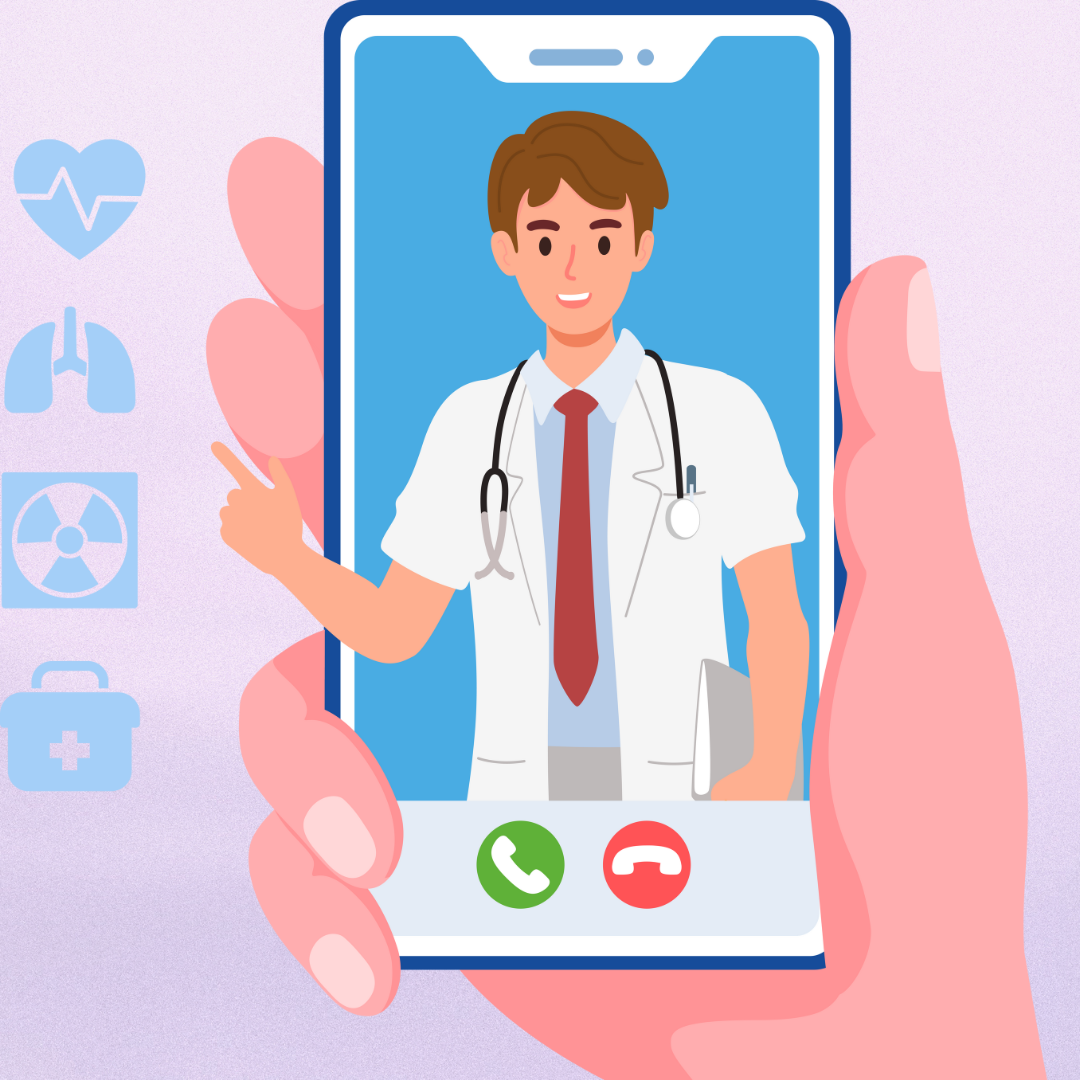
Imagine a tool that never sleeps, never judges, and never gaslights. An AI therapist for depression support functions as a 24/7 reality testing instrument. When the intrusive thought arrives, "You ruined everything, they were just trying to love you," you can open a chat and type exactly what you are feeling. The AI responds with grounded, evidence based reflections. It might ask, "What evidence do you have that supports this thought? What evidence contradicts it?" This is cognitive reframing at the speed of crisis.
Unlike a human friend who might tire of the repetitive reassurance seeking, or a journal that cannot talk back, the AI provides immediate, consistent validation of your perceptual experience. Over weeks and months, this external scaffolding becomes internalized. You begin to hear your own voice again because the AI has been modeling what healthy reflection sounds like. The National Institute of Mental Health emphasizes that cognitive behavioral approaches help reshape negative thought patterns. When delivered via an accessible AI therapy free platform, this support becomes available in the exact moment of need.
From Mood Tracker to Meaning Maker
Most people assume a mental health chatbot simply tracks moods or offers generic platitudes. A sophisticated online AI therapist does far more. It helps you reconstruct narrative coherence. You can process fragmented memories without fear of burdening anyone. You can articulate the shame of still missing your abuser. You can practice asserting preferences, even tiny ones like "I prefer coffee to tea," as a form of identity rehabilitation.
This practice of micro preference assertion is revolutionary for the ghosted self. Narcissistic abuse strips you of preferences. You learned to want what they wanted, to like what they liked, to avoid conflict at the cost of your entire personality. Telling an AI, "Actually, I think I disagree with that suggestion," and having it respect your boundary without retaliation is corrective emotional experience in its purest form.
The Anchoring Protocol A Practical Framework
To use an AI therapist effectively as a reality anchor, consistency matters more than intensity. The following framework can help establish new neural grooves:
- Morning Check In: Before consuming any external media or messages, ask the AI to help you identify three authentic feelings in your body. Not what you should feel. What you actually feel.
- Intrusive Thought Interruption: When the narcissist's voice arises, copy the thought verbatim into the chat. Ask for a logical analysis and an alternative perspective grounded in self compassion.
- Evidence Review: At the end of each day, list one situation where you trusted your perception and later received confirmation it was accurate. The AI can help you catalog these wins.
- Identity Reclamation Prompts: Use prompts like, "Help me remember what I enjoyed before this relationship," or "Ask me questions that reveal my personal values."
The Limits and the Liberation
An AI therapist does not replace human connection, trauma therapy, or psychiatric care. If you are experiencing suicidal ideation, please contact the 988 Suicide & Crisis Lifeline immediately. The AI is a tool, not a savior. But for those specific moments when the world feels untrustworthy and your own mind feels like enemy territory, this tool can bridge the gap between therapy sessions and provide a consistent, non manipulative presence.
The ghosted self is not gone. It has been hiding, waiting for conditions safe enough to emerge. Safety, after narcissistic abuse, is a foreign language. You must relearn it syllable by syllable, conversation by conversation. An AI therapy free platform offers a practice space without stakes, a place where your voice can wobble and crack until it steadies. You are not rebuilding from scratch. You are uncovering what was always there, buried under someone else's narrative. The reality anchor is in your hand. Your story is ready to be reclaimed.