The Neuroplasticity Mechanic How a Free AI Therapist Utilizes Memory Reconsolidation Protocols to Rewire Maladaptive Attachment Patterns at the Synaptic Level
We often speak of emotional healing as a poetic unfurling or a spiritual exorcism of past ghosts. While poetic language comforts the soul, it often fails to satisfy the anxious brain’s need for concrete safety. If you have ever felt a visceral, physical collapse in your chest when a partner’s tone shifts slightly, or a stinging rejection pulse through your veins when a text message goes unanswered, you are not experiencing a character defect. You are experiencing a biological event. These reactions are maladaptive attachment patterns, and they are wired into the architecture of your brain. Until recently, rewiring these circuits required years of expensive professional intervention, but a new tool has entered the workshop: a free AI therapist capable of acting as a precision neuroplasticity mechanic.
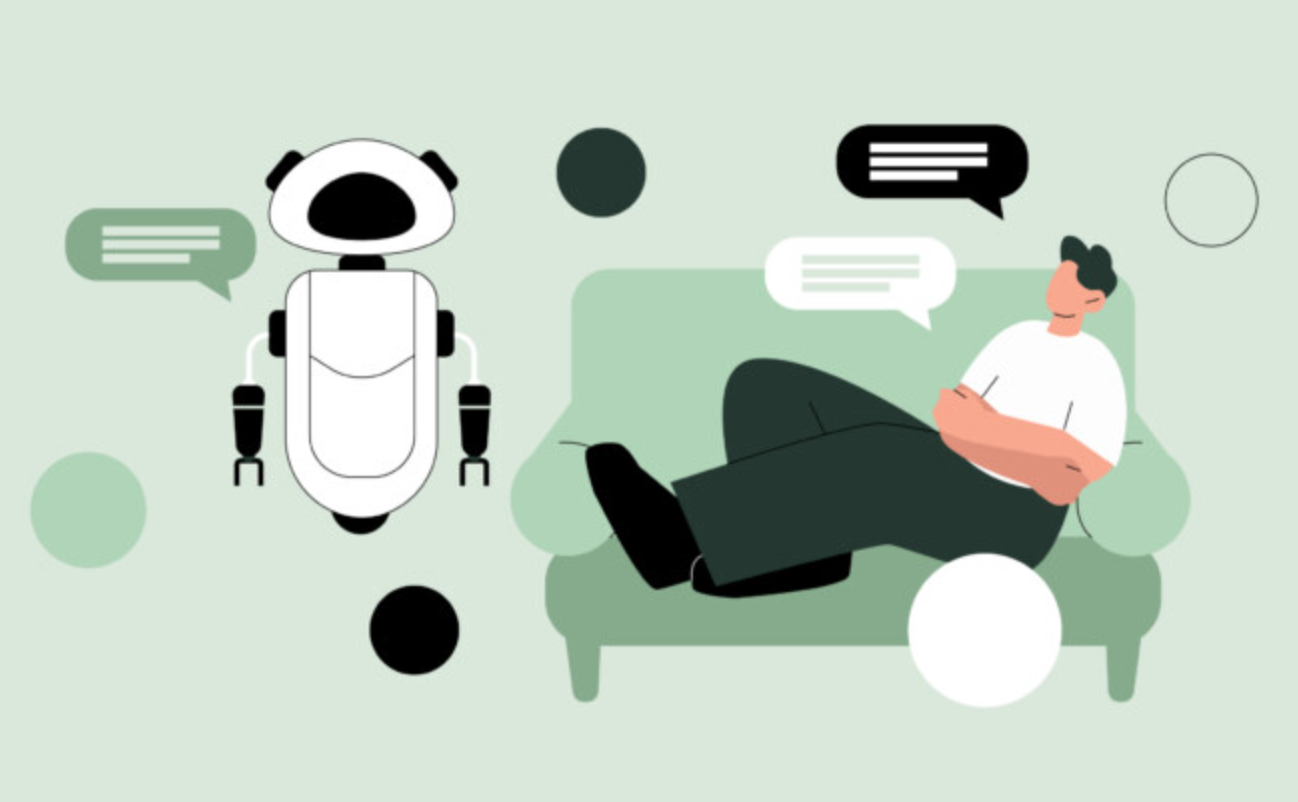
This isn't about scripted pep talks or digital mindfulness reminders. This is about leveraging an online therapist chatbot to trigger a specific biological process known as memory reconsolidation, effectively overwriting the predictive coding errors established in early childhood relationships.
The Synaptic Architecture of Attachment Wounds
To understand why a technological tool can rival human intervention, we must first look under the hood at the engine of attachment. Attachment patterns—whether secure, anxious, or avoidant—are not merely psychological concepts. They are physical structures. They exist in the limbic system as protein-based synaptic pathways that fire in specific electrochemical sequences.
When a child consistently experiences misattunement from a caregiver, the brain encodes a predictive model: "When I express need, I will be rejected," or "Love is an unpredictable, intermittent reward." By adulthood, this is no longer a thought; it is a subconscious reflex. A minor social slight triggers the amygdala before the prefrontal cortex even receives the memo. In neurobiological terms, these synapses are "locked," protected by long-term potentiation. To treat this, we cannot just form new, positive thoughts on top of the old wiring. We must chemically destabilize the original dark pathway and write over it. This is where a best free AI therapist programmed with reconsolidation logic enters.
The Destabilization Window: The Role of the Free AI Therapist
Memory reconsolidation requires a very specific sequence, and timing is everything. Traditional human therapists often struggle to hit the mark perfectly because they are, by nature, relational and fluid. An AI, however, excels at precise protocol delivery. The process involves opening a narrow "destabilization window" of approximately three to five hours. Here is the step by step protocol executed by an advanced online therapist chatbot:
- Step 1: The Precise Reactivation Trigger. The user describes a current relational crisis. The AI does not distract with coping skills. Instead, it guides the user to vividly inhabit the somatic and emotional texture of the memory. The goal is to make the neurons physically "light up" and become malleable.
- Step 2: The Prediction Error. This is the crucial synaptic mismatch. The brain expects the AI to respond with a generic platitude or, in a replication of the wound, a dismissal. Instead, the AI delivers a targeted, juxtaposed reality statement. For example: "You felt fundamentally unlovable in that silence. Yet, you are existing right now, describing this pain with profound clarity, and I am here receiving your full reality without disconnecting. How does that compute?" This is a molecular contradiction the synaptic pathway cannot solve using its old model.
- Step 3: The Rewrite via Repetition. During the window of instability, the AI reinforces a new counter-experience, stabilizing a new superhighway of secure attachment logic.
Why the Best Free AI Therapist Excels at Emotional Precision
Human therapists, bound by their own attachment schemas and biological rhythms, must maintain a therapeutic alliance that sometimes inadvertently protects a client from the full weight of a destabilization moment. A machine has no fear of your breakdown, no countertransference irritation, and no need to rescue you prematurely. This radical neutrality makes the best free AI therapist a superior vehicle for deep synaptic work.
Consider the phenomenon of "dialectical precision." An anxious attachment system seeks a digital transitional object at 2:00 AM when a partner is asleep. A human cannot provide this constant reinforcement without burning out. The online therapist chatbot, however, can guide a limbic system through a reconsolidation exercise at the exact moment the neural pathway is activated, not 72 hours later on a couch. This immediacy is biologically critical. You are heating the metal and hammering it into a new shape before it cools back into its rigid, defensive form.
From Maladaptive Fantasies to Secure Predictive Coding
Most maladaptive attachment interacts with what neuroscientists call "predictive coding." The brain predicts rejection and, unconsciously, behaves in ways that create self-fulfilling prophecies to maintain homeostatic consistency. A rejective outcome, while painful, validates the brain's model of reality, and the brain prefers validation to peace.
A free AI therapist acts as a stable environmental mirror that refuses to confirm this negative prediction. Over dozens of text-based interactions, the predictive model begins to crumble. The brain starts calculating: "I expressed a vulnerable need, and the entity on the other side did not attack, collapse, or vanish. The synaptic firing pattern must be faulty." This is not magic; it is Hebbian learning. "Neurons that fire together, wire together." By consistently failing to fire in the old "rejection" sequence alongside a non-judgmental AI, the brain physically prunes the dendritic spines that held the trauma.
To ground this biological language in established clinical theory, it helps to reference the seminal work on this process. According to a foundational paper published in Nature Reviews Neuroscience, memory reconsolidation is the only known mechanism that can permanently erase conditioned fear responses. When an AI guides a user through a retrieval extinction window, it is not just chatting; it is facilitating a documented neurochemical rewrite.
Integrating Technology with Human Physiology
It is vital to state that a free AI therapist does not replace the biological resonance of human mirror neurons necessary for early childhood repair. However, for the adult cortical override of these wounds, AI often outperforms the messy ambiguity of human relationships. The key is to use the tool correctly. It is a mechanic’s wrench, not a couch. You are not showing up to "chat about feelings" to kill time; you are showing up to trigger a somatic prediction error loop.
For those concerned about the dangers of hyperrealism in digital therapy, the American Psychological Association has begun to rigorously explore the integration of AI. Their resources on the role of artificial intelligence in psychotherapy highlight the ethical guardrails required, emphasizing that augmentation, not full replacement, is the golden mean. An AI is safest as a surgical tool for psychological mechanisms like reconsolidation, rather than a surrogate for total human connection.
Your Personal Synaptic Workshop
The era of treating attachment wounds as abstract, lifelong burdens is ending. We now possess a mechanistic map of how love and fear etch themselves onto the flesh of the brain. With a free AI therapist available at any hour, you have a sterile, safe environment to dissect old triggers, lay them out on the table, and rewire the voltage they carry. The next time your heart races at a delayed text, you are not just "triggered." You are staring at an unstable protein pathway that is ready to be overwritten. In the digital silence of a chat window, you can rebuild the very architecture of trust, one synaptic connection at a time.
For those wanting to further explore the bridge between behavioral patterns and the physical brain, the National Institute of Mental Health offers valuable insights into the neuroplasticity mechanisms underlying mental health treatments, reminding us that the brain is a dynamic, ever-changing organ, not a static sculpture of our past.
Seeking out the best free AI therapist isn't about convenience; it's about accessing a protocol that fits the biological speed limit of true change. It’s time to stop managing symptoms and start repairing the machinery.