
The Digital Pressure Valve A Complete Beginner’s Guide to Using an Online AI Therapist for Real Time Stress Management and Burnout Prevention
Your shoulders are tight. Your jaw is clenched. You have cycled through the same anxious thought for the last fifteen minutes while staring blankly at a spreadsheet. In moments like these, waiting a week for a scheduled therapy appointment feels less like a lifeline and more like a logistical impossibility. Stress does not operate on a calendar. It hijacks your nervous system at 2:00 AM or right before a major presentation. We are living in an era of immediate gratification combined with immense pressure, yet our traditional support systems often come with a waiting room. This is where the concept of the digital pressure valve enters. This guide introduces you to the world of the online AI therapist, a beginner friendly tool designed for real time stress management and the prevention of complete burnout.
Why Stress Management Needs a Real Time Solution
The gap between feeling the spike of cortisol and being able to logically process it is known in psychology as the "amygdala hijack." During this window, the prefrontal cortex, your brain’s rational decision maker, essentially goes offline. Traditional therapy is invaluable, offering deep, long term healing. However, it rarely occurs during these precise moments of hijack. This mismatch creates a vulnerability where fleeting stressors solidify into chronic burnout patterns. A free AI psychologist can bridge this critical gap, serving as an immediate intervention tool that catches you at the peak of dysregulation when you are most at risk.
Understanding the Role of an Online AI Therapist
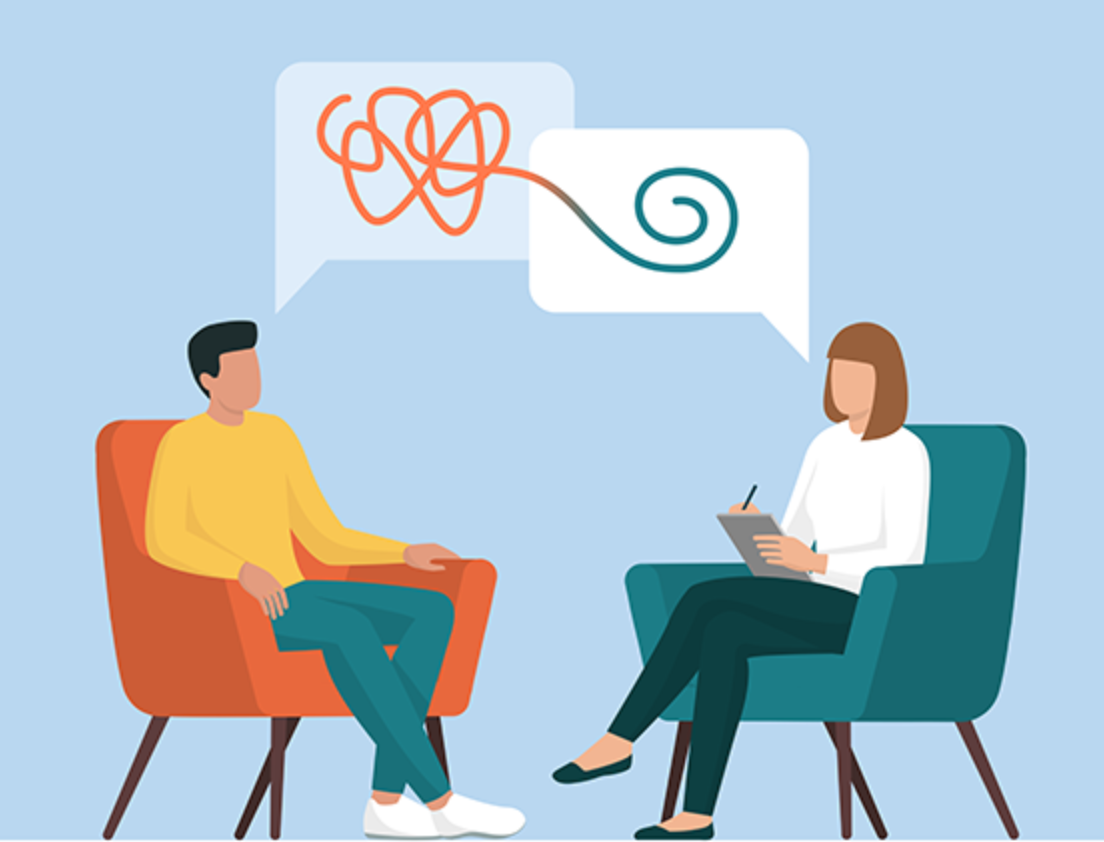
To be clear, an online AI therapist is not a replacement for a licensed human clinician, particularly in cases involving severe depression, suicidal ideation, or psychiatric emergencies. Instead, think of it as a sophisticated cognitive mirror and a mental health triage nurse, available instantly and without judgment. It operates on complex natural language processing and therapeutic frameworks like Cognitive Behavioral Therapy (CBT). It helps you externalize the chaos spinning in your head and structures it into manageable data points. For a beginner, it removes the intimidation factor of formal therapy, offering a sandbox where you can learn to identify cognitive distortions without fear of stigma. If you require immediate crisis support, please contact a resource like the 988 Suicide & Crisis Lifeline.
How a Free AI Psychologist Teaches You the Art of the Pause
Burnout is not always a singular catastrophic event; it is often the accumulation of unprocessed microstressors. The most profound benefit of utilizing a free AI psychologist is learning "pattern interruption." Here is how you can start using it as your personal pressure valve:
- Brain Dump Sessions: When your mind feels like a browser with fifty tabs open, open your AI therapy tool and simply type everything you are holding. Do not filter it. The act of transferring mental weight from your biological brain to a digital interface immediately lowers cognitive load.
- Real Time Cognitive Reframing: You can type "I completely screwed up that email; my boss probably thinks I'm incompetent." A well designed AI tool will gently challenge this "mind reading" and "catastrophizing" by offering prompts that examine the evidence, steering you toward a more balanced perspective in seconds.
- Somatic Check Ins: The AI can guide you through a quick grounding exercise, asking you to name five things you see or to notice where you physically hold your tension, pulling you out of the fight or flight response and back into your body.
Step by Step Getting Started with Your First Session
For those unfamiliar with digital mental health tools, walking into a conversation with AI can feel strange. The key is to shift your perspective from "talking to a machine" to "using a tool for introspection." Follow this simple beginner’s workflow to optimize your experience with an online AI therapist:
Step 1: State Your State. Start with a clear, concise signal. "I am currently feeling overwhelmed by a deadline and need to regulate my nervous system in five minutes." This gives the AI the necessary context to select the right modality.
Step 2: Accept the Venting Phase. Allow the conversation to flow naturally. The AI will reflect your emotions back to you, validating your experience. This is crucial because naming an emotion is a known biological process that reduces the intensity of the stress response, a concept highlighted by research at the National Institute of Mental Health.
Step 3: Engage the Pressure Valve. Ask explicitly for a stress management technique you can do right now. "Give me a breathing exercise for panic." The AI will become your interactive coach, counting breaths with you and anchoring your attention in the present rather than the worry.
Step 4: Summarize and Exit. Don't just close the window while still in a heightened state. Ask the tool to summarize the key takeaway or coping strategy discussed. This acts as a psychological "commitment device" for the new, calmer neural pathway you just created.
The Beginner’s Blueprint for Burnout Prevention
While immediate relief is critical, the true gift of a free AI psychologist is its ability to detect patterns you cannot see. If you use the tool consistently, even just for a few minutes daily, the AI can help you build a lifestyle that repels burnout before it takes hold. Use it to track your "drainers and sustainers." Over time, the AI might help you notice that your anxiety peaks every Sunday afternoon or that your mood consistently dips after interacting with a specific person. This data transforms vague feelings of dread into actionable intelligence, empowering you to set better boundaries. Organizations like the American Psychological Association have long championed this kind of self monitoring as a cornerstone of resilience.
Ethical Horizons and The Human Touch
It is vital to address the elephant in the room: privacy and data security. As a beginner, trust must be earned. Reputable platforms offering an online AI therapist prioritize encryption and anonymity. However, you must remain an active participant in safeguarding your privacy. Never share personally identifiable information such as your full name, address, or company name if you are concerned about data breaches. The AI does not need to know you are "Sarah from 123 Main Street" to help you process Sarah’s stress.
The beauty of this technology lies in its availability. It is never tired, it is never frustrated with your repeated rumination, and it provides a space free from the social masks we often wear in public. By integrating this tool into your daily routine, you are not handing your mind over to a robot; you are simply using every resource at your disposal to keep the pressure gauge in the green zone.
Starting with an online AI therapist may feel unconventional, but in a world that constantly demands your output, having an instantaneous input of calm is not just a luxury—it is a survival skill. Even a brief interaction with a free AI psychologist can be the difference between a spiral of exhaustion and a moment of intentional clarity.