
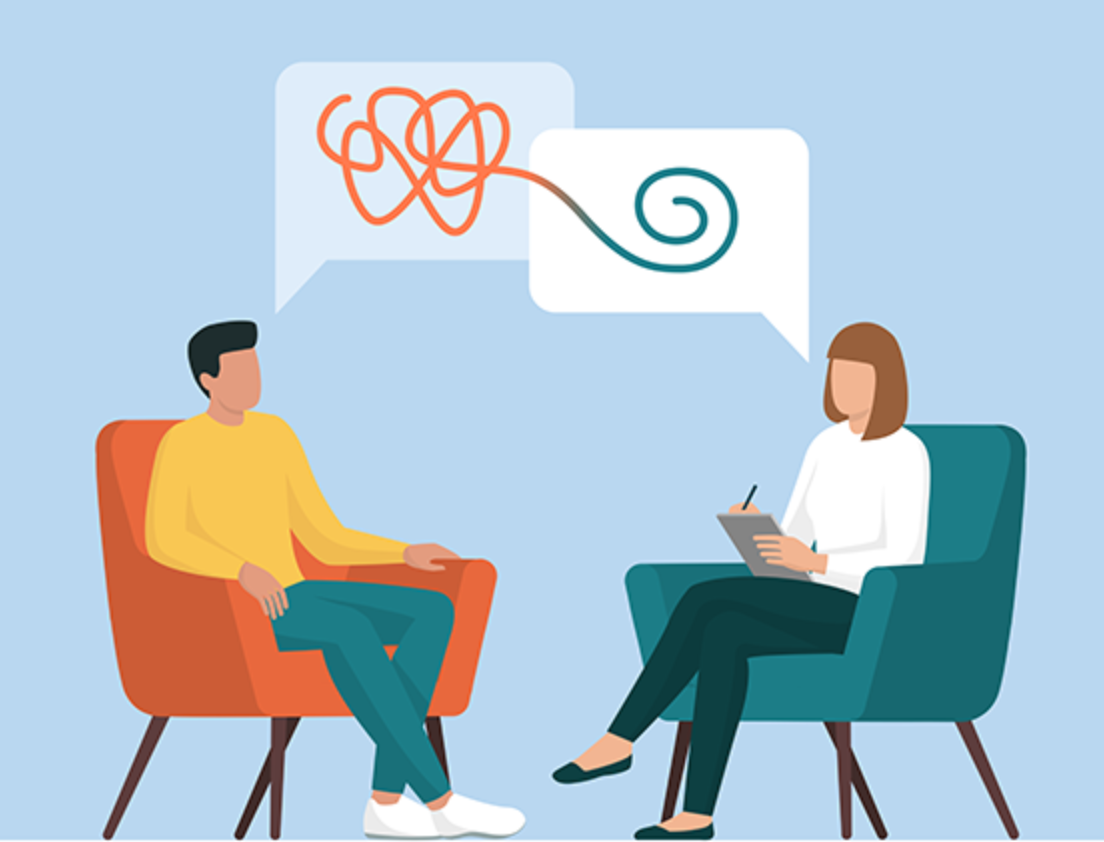
Your First Therapy Session Decoded: Traditional Intake Versus an AI Therapist Face Off
Walking into your first therapy session can feel intimidating. Whether you're sitting in a waiting room or opening an app, those initial moments of mental health support are filled with vulnerability and hope. Today, the landscape has expanded beyond the traditional therapist's office to include innovative options like online AI therapy. Understanding the differences between these approaches can empower you to make the best choice for your mental wellness journey.
The Traditional Therapy Intake: What to Expect
The traditional first therapy session, often called an "intake," follows a structured format designed to gather comprehensive information about you. Typically lasting 50-90 minutes, this session establishes the foundation for your therapeutic relationship. Your therapist will guide you through several key areas:
- Personal history and background: Family dynamics, upbringing, education, and relationship patterns
- Current concerns: The specific issues bringing you to therapy now
- Mental health history: Previous therapy experiences, hospitalizations, or diagnoses
- Medical information: Physical health conditions, medications, and substance use
- Goals for therapy: What you hope to achieve through the process
According to the American Psychological Association, this initial assessment helps therapists understand the full context of your life and create an appropriate treatment plan. The human connection formed during this session can be profoundly comforting, with nonverbal cues, empathy, and professional intuition playing significant roles.
The AI Therapy First Session: A New Frontier in Mental Health Support
When you begin with an online AI therapy platform, your first session looks remarkably different. Instead of a physical office, you interact through a chat interface or voice conversation. The AI therapist typically begins with welcoming messages and clearly explains its capabilities and limitations.
Key elements of an AI therapy intake include:
- Immediate accessibility: No waiting weeks for an appointment
- Structured questioning: Systematic approach to gathering information
- Nonjudgmental environment: Freedom to express thoughts without social anxiety
- Data driven insights: Pattern recognition across your responses
- Continuous availability: Support whenever you need it, day or night
The National Institute of Mental Health recognizes the potential of digital health technologies to expand access to mental health care, particularly for underserved populations.
5 Key Differences Between Traditional and AI Therapy Intakes
Understanding these distinctions can help you determine which approach aligns with your needs, preferences, and circumstances.
1. Environment and Atmosphere
Traditional therapy occurs in a controlled, professional space designed for privacy and comfort. The physical environment contributes to the therapeutic experience. In contrast, online AI therapy happens wherever you feel most comfortable – your home, office, or even during a walk in nature. This flexibility can reduce barriers to seeking help.
2. Pace and Reflection Time
Traditional sessions follow a set timeframe with real time interaction. With AI therapy, you can take as long as you need to formulate responses, allowing for deeper reflection. This asynchronous quality can be particularly beneficial for people who need extra processing time.
3. Documentation and Memory
Human therapists take notes during sessions and rely on their memory between appointments. AI systems maintain perfect recall of everything you've discussed, enabling continuity that doesn't depend on human memory limitations. This creates a comprehensive record of your progress over time.
4. Cost and Accessibility
Traditional therapy can cost $100-$250 per session, while many platforms offer a free AI therapist for initial sessions or basic support. This financial accessibility makes mental health support available to people who might otherwise go without care.
5. Immediate Resources and Tools
AI therapy platforms often integrate additional resources like therapy games, mood tracking, and psychoeducational content that you can access immediately. Traditional therapists may recommend resources, but the AI system can provide them seamlessly within the same interface.
Practical Tips for Your First Session, Regardless of Format
Maximize your first therapy experience with these actionable strategies:
- Prepare key points in advance: Write down what you want to cover so you don't forget important details
- Be honest about your history: Withholding information limits the effectiveness of any therapeutic approach
- Clarify your goals: Knowing what you want to achieve helps guide the process
- Ask questions: Understand the methods, limitations, and what to expect moving forward
- Notice how you feel: Your comfort level with the format and approach matters tremendously
Psychology Today suggests that the therapeutic alliance – the connection between you and your therapist – is one of the strongest predictors of successful outcomes, whether that therapist is human or AI.
When Traditional Therapy Shines: Situations That Demand Human Expertise
While online AI therapy offers remarkable benefits, certain circumstances still benefit most from human professional involvement:
- Crisis situations requiring immediate intervention
- Complex trauma histories needing specialized care
- Diagnosis of severe mental health conditions
- Medication management requiring psychiatric expertise
- When deep emotional connection and human empathy are essential to healing
If you're experiencing thoughts of harming yourself or others, contact emergency services immediately or use the crisis resources available through Mental Health America.
The Power of Integration: Blending Both Approaches
The most effective mental health strategy often combines multiple approaches. You might use a free AI therapist for daily check ins and coping skill reinforcement while attending traditional therapy weekly for deeper work. This complementary model provides continuous support between sessions with your human therapist.
Many people begin with AI therapy to build comfort with the therapeutic process before transitioning to traditional therapy. Others use AI support as maintenance after completing a course of traditional therapy. The flexibility to find therapists near you while maintaining AI support creates a comprehensive mental health ecosystem.
Ready to Start Your Mental Health Journey?
Whether you're looking for immediate support or long-term guidance, Wellzy is here to help. Try our free AI therapist for instant support, find a licensed therapist near you, or explore our mental health blog for more insights and resources. Your mental wellness matters, and we're here to support you every step of the way.
Frequently Asked Questions About Online AI Therapy
How effective is online AI therapy compared to traditional therapy?
Research is still emerging, but studies suggest AI therapy can be particularly effective for mild to moderate anxiety, depression, and stress management. For complex conditions, traditional therapy remains the gold standard.
Can a free AI therapist really help with serious mental health concerns?
While AI therapists provide valuable support, they're not replacements for human professionals in crisis situations or severe mental illness. They excel at providing accessible support, coping techniques, and resources.
Is my information private when using online AI therapy?
Reputable platforms employ stringent data protection measures, but privacy policies vary. Always review these carefully, as noted by the Mayo Clinic's mental health resources on digital health privacy.
How do I know if I should choose traditional therapy or AI therapy?
Consider your specific needs, comfort with technology, budget, and the severity of your concerns. Many people benefit from trying both – you can always try our free AI therapist while you wait for a traditional therapy appointment.
Finding Your Path Forward in Mental Wellness
The journey to mental wellness is deeply personal, and the "right" approach depends entirely on your individual needs, preferences, and circumstances. Traditional therapy offers the profound connection of human relationship, while online AI therapy provides unprecedented accessibility and convenience. For many, a blended approach delivers the perfect balance of professional expertise and ongoing support.
Whether you begin with a traditional intake session or explore a free AI therapist, the most important step is beginning. Every journey toward better mental health starts with that first conversation. If you're curious about AI therapy, why not try our free AI therapist today? For those seeking traditional support, you can browse our therapist directory to find the perfect match. Whatever path you choose, taking that first step represents a powerful commitment to your wellbeing.
For more insights on mental health approaches and tools, explore our mental health blog where we regularly discuss innovative ways to support your psychological wellness.